

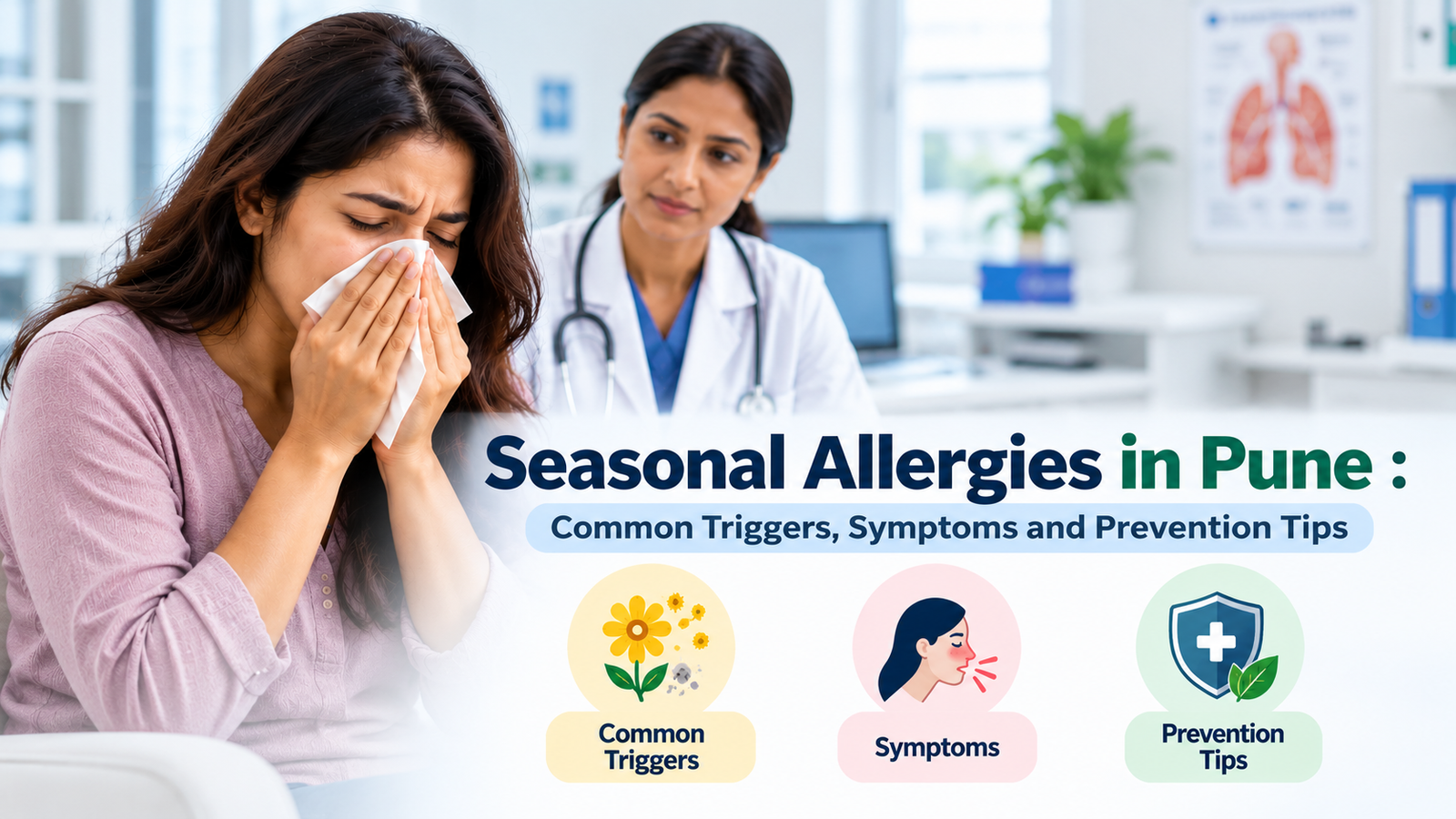
Seasonal changes can bring fluctuations in temperature, humidity, and airborne particles. For some people, these changes are accompanied by frequent sneezing, a runny nose, itchy eyes, and nasal congestion. These symptoms may be associated with seasonal allergies in Pune, particularly when environmental allergens trigger an immune response.
Understanding the causes of seasonal allergies, recognizing common symptoms, and following practical prevention measures can help you manage your daily routine more comfortably.
At Khaire Homeopathy Clinic, Dr. Sachin Khaire is the point of contact for individuals who wish to discuss their health concerns and enquire about a consultation. This blog explores common seasonal allergy triggers in Pune, their symptoms, practical prevention tips, and when to seek professional medical advice.
What Are Seasonal Allergies?
Seasonal allergies occur when the immune system reacts to substances in the environment that are usually harmless to most people. These substances, known as allergens, may include pollen and certain mould spores.
One common condition associated with allergies is allergic rhinitis. It can cause repeated sneezing, an itchy nose, a runny nose, and nasal congestion. Some people also experience watery or itchy eyes.
Unlike a common cold, seasonal allergies are not contagious. However, allergy symptoms can resemble those of respiratory infections. Identifying the underlying cause can help determine the most appropriate approach to managing the symptoms.
Common Seasonal Allergy Triggers in Pune
Pune experiences changing weather conditions throughout the year. Depending on the area, environmental conditions, and individual sensitivities, several factors may contribute to allergy symptoms.
1. Pollen from Trees, Grass and Plants
Pollen is one of the common seasonal allergy triggers. These tiny particles are released by certain trees, grasses, and other plants during their reproductive cycles.
When pollen becomes airborne, sensitive individuals may experience sneezing, itchy eyes, a runny nose, or nasal irritation. Symptoms can vary according to the types of plants nearby and the amount of pollen in the environment.
Limiting outdoor exposure when pollen levels are high may help reduce contact with these allergens. Keeping windows closed during high-pollen periods may also help some people manage their symptoms.
2. Dust and Airborne Particles
Dust from roads, construction sites, and indoor environments can irritate the respiratory tract. House dust mites, which are commonly found in bedding and upholstered furniture, can also trigger allergic reactions.
People who are sensitive to dust may notice symptoms while cleaning their homes, handling stored items, or spending time in dusty surroundings.
Regular cleaning, washing bedding, and reducing dust accumulation can help make indoor spaces more comfortable.
3. Mould Spores and Humidity
Moisture can encourage mould growth in damp rooms, bathrooms, and poorly ventilated areas. Some mould spores may trigger allergic symptoms in susceptible individuals.
Checking for damp patches, repairing leaks, and maintaining suitable ventilation can help reduce indoor mould exposure. Addressing visible mould and preventing excess moisture can also support a healthier indoor environment.
4. Pollution and Environmental Irritants
Vehicle emissions, smoke, and airborne pollutants may irritate the nose and airways. Strong perfumes, cleaning chemicals, and other fragrances can also worsen irritation in sensitive individuals.
Although these substances do not all cause allergies, reducing exposure may help people who experience recurring nasal or respiratory discomfort.
Common Seasonal Allergy Symptoms
Recognizing seasonal allergy symptoms is an important step towards understanding when professional advice may be helpful.
Common symptoms include:
Frequent or repeated sneezing
A runny or blocked nose
Itching in the nose or throat
Watery, itchy eyes
Postnasal drip, or mucus running down the back of the throat
Nasal irritation
Disturbed sleep because of congestion
Some individuals experience symptoms mainly outdoors, while others notice them at home or at work. The severity and duration of symptoms can vary depending on individual sensitivity and exposure to potential allergens.
If symptoms recur during particular seasons, continue for several weeks, or interfere with sleep and daily activities, consult a qualified healthcare professional. They can assess whether allergies or another condition may be responsible.
6 Practical Allergy Prevention Tips
Although avoiding every allergen may not be possible, following simple allergy prevention tips can help reduce exposure and support better symptom management.
1. Reduce Exposure to Pollen
If outdoor exposure appears to worsen your symptoms, consider limiting prolonged outdoor activities during periods of high pollen exposure. Keeping windows closed when pollen levels are high may also help.
2. Keep Your Home Clean
Clean floors, furniture, and frequently used surfaces regularly. Use cleaning methods that minimize the amount of dust released into the air.
Wash bedding routinely and pay attention to curtains, carpets, and other items that can collect dust.
3. Manage Indoor Moisture
Check bathrooms, kitchens, and other areas for dampness. Repair water leaks and address visible mould promptly. Good ventilation can help reduce excess moisture in indoor spaces.
4. Maintain Personal Hygiene After Outdoor Activities
Pollen and dust can settle on clothing and hair. Changing clothes after spending time outdoors and showering when practical may help reduce the amount of outdoor particles brought into your home.
5. Avoid Smoke and Strong Fragrances
Try to minimize exposure to cigarette smoke, heavy perfumes, and irritating cleaning-product fumes. If outdoor pollution is high, consider reducing strenuous outdoor activity.
6. Track Your Symptoms
Keep a simple record of when your symptoms occur, where you spend time, and whether any environmental conditions seem to make them worse.
This information can help a healthcare professional identify possible triggers and recommend suitable next steps.
Understanding Homeopathy for Seasonal Allergies
People searching for homeopathy for seasonal allergies may want to understand the available options and whether homeopathy is suitable for their concerns.
At Khaire Homeopathy Clinic, Dr. Sachin Khaire is the practitioner readers can contact to discuss their health concerns and enquire about a consultation. Any consultation should consider the person’s symptoms, medical history, and existing treatments.
It is important to understand that reliable scientific evidence has not established homeopathy as an effective treatment for seasonal allergies. It should not replace evidence-based allergy care, and prescribed medicines should not be discontinued without consulting the treating healthcare professional.
People experiencing recurring allergic rhinitis should discuss appropriate management options with a qualified medical professional.
When Should You Seek Professional Advice?
Occasional sneezing may not always require medical attention, but persistent symptoms should not be ignored.
Consider consulting a healthcare professional if you experience recurring sneezing or nasal congestion, symptoms that interfere with sleep, or allergy-like symptoms that continue despite basic preventive measures. Professional guidance can help determine whether the symptoms are related to allergies or another health condition.
Seek urgent medical care if you develop significant breathing difficulty or swelling of the tongue or throat.
Conclusion
Seasonal allergies can affect comfort, sleep, and everyday routines. Understanding potential triggers and recognizing recurring symptoms can help you take informed steps towards managing them.
By following practical prevention measures, reducing exposure to suspected allergens, and seeking professional guidance when necessary, you can better understand your symptoms and make appropriate decisions about your health.
If you are experiencing frequent sneezing, nasal congestion, itchy eyes, or other allergy-like symptoms, contact Khaire Homeopathy Clinic to enquire about a consultation with Dr. Sachin Khaire and discuss your health concerns.
Consult Khaire Homeopathy Clinic
Dr. Sachin Khaire
Khaire Homeopathy Clinic
Shop No. 2 & 3, Jare Heights, Sane Chowk, Chikhali Akurdi Road, Opposite Wasantlila Building, Nair Colony, More Vasti, Chikhali, Pimpri-Chinchwad, Maharashtra – 411062
Call: +91 9270768488
Email: Khairehomeopathy@gmail.com
Related Services
- Best homeopathy doctor in Pune
- Best homeopathy doctor in Chikhali,
- Skin & Hair Treatment
- Telemedicine & Online Consultation
- Homeopathic Medicine Treatment
- Acute Disease Treatment
- Consultation & Diagnosis Services
- Chronic Disease Management
- Child Healthcare
- Mental & Emotional Health Support
- Women’s Health Services